📖 World & Story
Lore & Story
explore into the dark wuxia world of Phantom Blade Zero: a tale of betrayal, a 66-day countdown, and a conspiracy that threatens the entire martial world.
explore into the dark wuxia world of Phantom Blade Zero: a tale of betrayal, a 66-day countdown, and a conspiracy that threatens the entire martial world.
A poisoned assassin. A shadowy organization. A conspiracy with no one to trust.
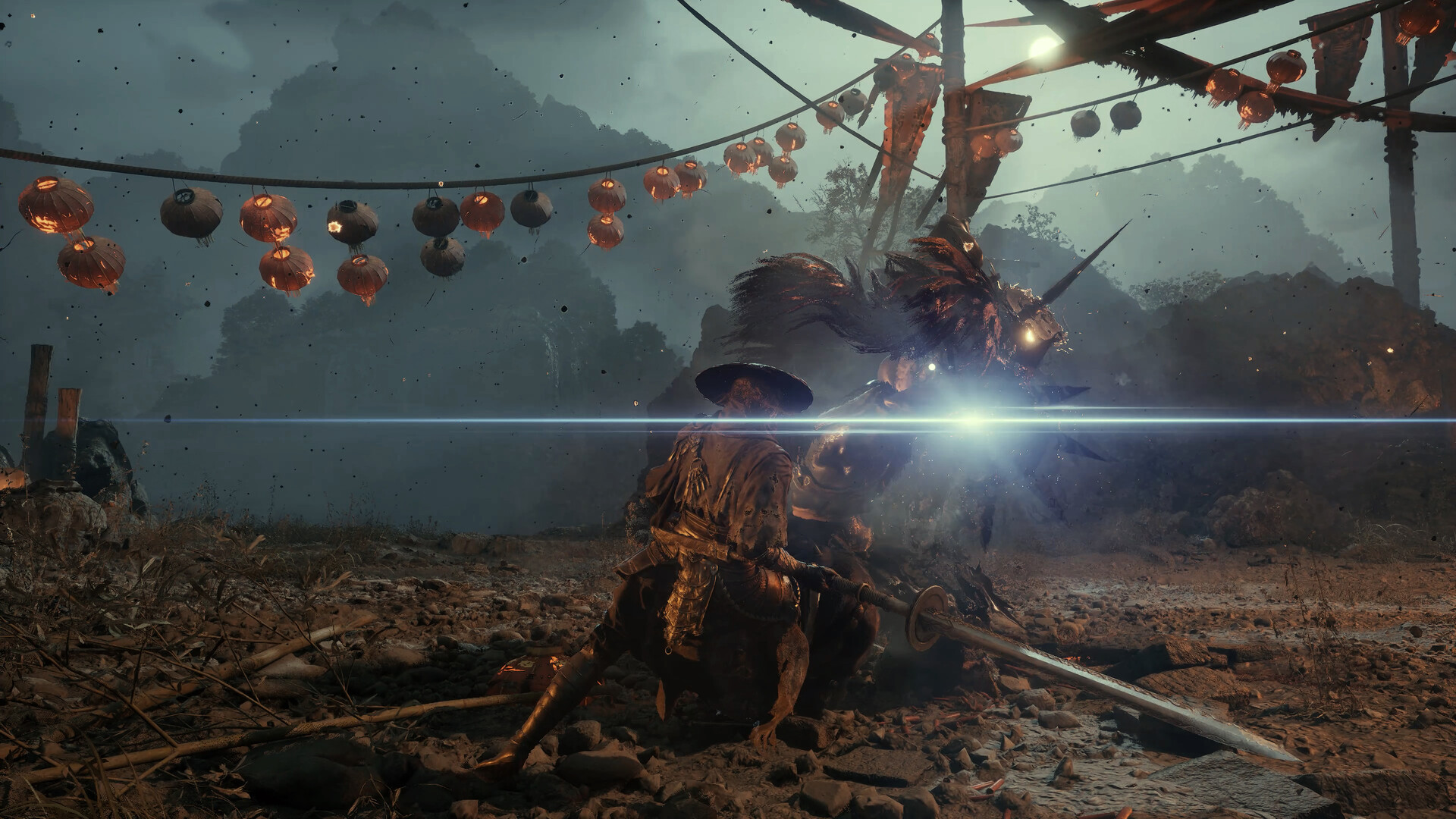
Soul (魂), an elite assassin serving a mysterious and powerful organization known as "The Order" (组织), wakes to a chilling discovery: he has been poisoned. His death is guaranteed in just 66 days: a countdown no martial skill can stop. He is gravely wounded in the heart during the ensuing manhunt, but survives through a mystic healer's temporary cure.
With his remaining time slipping away, Soul must fight through a vast, shadowy conspiracy while searching for a cure and uncovering the truth behind his betrayal. Every battle, every alliance, every choice is weighed against the relentless march of the clock.
The Order is the shadowy organization that Soul has served as an elite assassin. Its motives, hierarchy, and true nature remain one of the story's central mysteries. Why was Soul betrayed? What does The Order truly seek? And who: if anyone: within its ranks can be trusted?
Early promotional materials hint at a far-reaching conspiracy. The Order's reach extends across the entire martial world, manipulating events from behind the scenes. Soul's quest for the truth will force him to confront the very masters he once served.
Trust is a luxury Soul cannot afford. His poisoning was no accident: it was a calculated move by forces within or connected to The Order. As Soul peels back the layers of deception, he uncovers a web of intrigue that implicates allies and enemies alike.
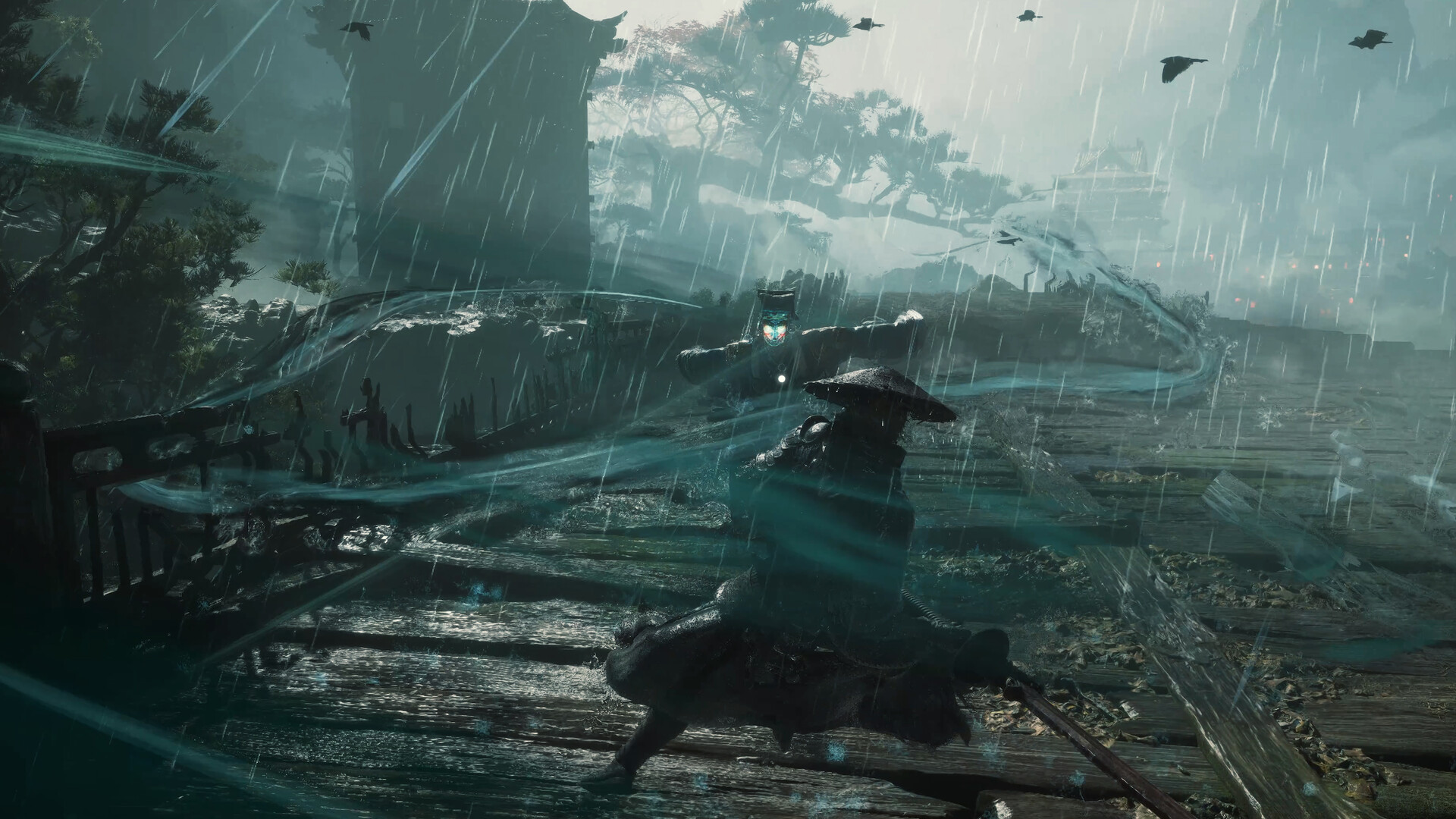
The game's tone is deliberately dark, melancholic, and mysterious. Unlike many wuxia stories that lean into heroism and triumph, Phantom Blade Zero embraces a grim atmosphere where survival itself is a victory.
Phantom Blade Zero features a branching narrative with 8 distinct endings: more than Elden Ring. The main quests follow Soul's story, while side quests explore the stories of other characters. Depending on the outcomes of these side quests, the main story culminates in one of eight unique conclusions.
The 66-day countdown is mechanically significant: if it expires without completing the story, the game enters a bad ending (坏结局). Multiple difficulty options (story, balanced, hardcore, and an extra-hard mode that changes enemy AI) affect the experience but not the narrative branches.
A dark wuxia universe inspired by China's Ming dynasty, infused with steampunk, cyberpunk, and horror elements.
Phantom Blade Zero takes place in the Phantom World (影境), a fictional universe based on China during roughly the Ming dynasty. It weaves together wuxia, steampunk, cyberpunk, dark fantasy, and horror into a uniquely atmospheric variety. The world conveys the essence of the jianghu (江湖): a domain where folk exist outside the sphere of the imperial court and government.
Director Soulframe Liang describes the game's style as "Kungfupunk" (功夫朋克) or "Wuxia Punk" (武侠朋克): a distinctive blend of kungfu with steampunk and cyberpunk sensibilities. Key concepts of the setting include:
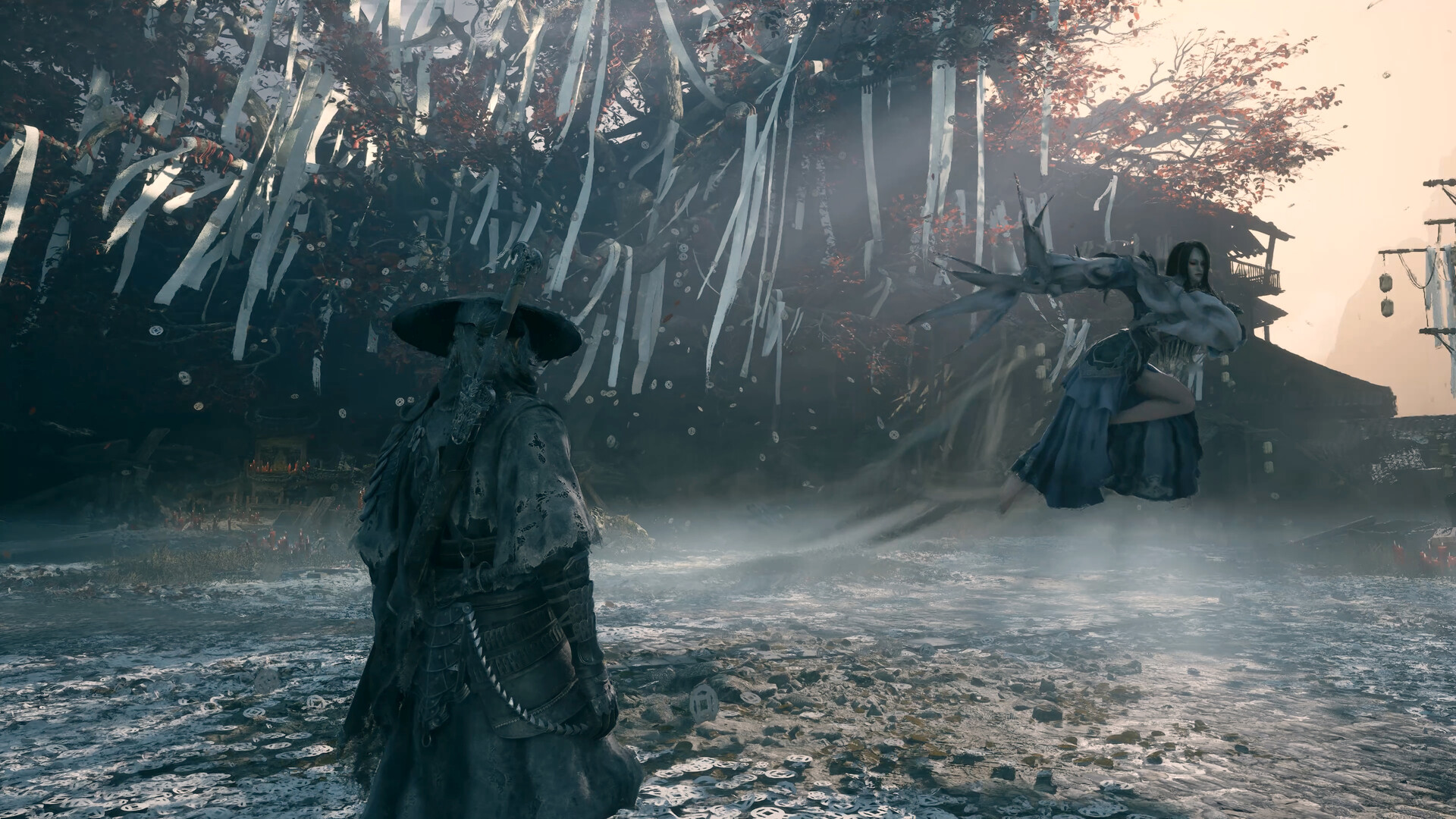
Rather than a seamless open world, Phantom Blade Zero uses a semi-open world structure. Regions are seamlessly connected, and some may be inaccessible at first: reachable through non-linear means with multiple possible paths. Specific weapons can be acquired later to access previously unreachable areas.
Regions documented from Chinese sources (萌娘百科):
Ye City (烨城), Pang Town (庞镇), Dark Demon Castle ruins, Moon Fortress
Southern City (南城), Crow-Falling Village (落鸦村), Golden Jade Pavilion, Artisan Settlement
Fallen City (落城), Grave Mountain (墓山), Black Forest (黑林), Pagoda, Ancient Marsh Fortress, Weeping Mountain
Desolate City (荒城), Swamp Sea (沼泽海), Prison Mountain (狱山)
White Mountain (白山), Xuan Family Ruins, Horse Village, Thousand Buddha Caves
Falling Star Plain (坠星原), Machinery City (械城), White City (白城)
Imperial City (皇城), Capital (京城), Tianling Peak (天岭峰), Xie Garden, Xinglong Manor, Red Leaf Temple (红叶寺)
The developers went to extraordinary lengths to ensure cultural authenticity. A nationwide search was conducted to trace the roots of Chinese martial arts and meet their inheritors. This included masters of the Shaolin Temple, Emei Mountain, and Guangdong's Southern Lion Troupes, among others.
The game incorporates many Chinese traditions: southern China's ancestral hall worship rituals, Guangdong's lion dances, Zhejiang's puppetry, Fujian's deity processions, Jiangxi's nuo masks, Sichuan's bianlian (face-changing), Beijing opera, and China's imperial ceremonies. Real-world objects: temples, village homes, weapons: were scanned for use as assets. Cultural relics were reproduced in collaboration with museums.
The martial world of Phantom Blade Zero is divided among numerous factions, each with its own agenda, history, and martial arts traditions.
The shadowy organization Soul serves. Its leadership includes the 冥使 (Dark Envoys) led by 冥主 (Dark Lord) 沐天邈. Key operatives include 左殇 (Left Wretch / "紫冥"), Soul himself (codename "黑伤"), and other members known as "虚空", "小厮", "暗禅". The organization's "人使" (Human Envoys) include figures like 万巧茹, 剑玄, 长鸿, and many others.
A council of 11 powerful martial artists known as "怪面" (Grotesque Faces). Members include the Golden Swordsman (黄金剑客), 玄玉, 飞云索, 醉苍穹, 上官斩, 梦华, 半月花, 苦海, 血屠, 嬴老太君/瓷儿, and 堕. Their subordinates include 弄蛇, 铁诞, 老乌龟, 夜锋, and others.
Led by the Lord of Mirage Tower (蜃楼之主). Its forces include 银翎, 水鬼, 鬼面君子, 剑狂, 刀刹, and 屠夫. A formidable stronghold within the Eleven Men Pavilion's domain.
An enigmatic group whose leaders are known only as "Thumb", "Index Finger", "Middle Finger", "Ring Finger", and "Little Finger". Their "modified ones" include 唐礼, 定海大师, 独孤灵鹤, and others: suggesting victims of forced augmentation.
Led by the Evil Lord (邪主) 邪无天, with followers including 葬无地, 剑无影, 腰无骨, and 冷荼. A dark counterpart to The Order, possibly responsible for infiltrating it.
Led by Patriarch 龙泰然, with nine children including 龙亦绝 ("Dragon Two"), 龙烈 ("Dragon Four"), and 龙星 ("Dragon Nine"). Key affiliates include 龙鸣玉, 公孙晓凤, 麒麟客, and 莫招云.
Once a great martial fortress, now in ruins. The 魔家 (Demon Clan) includes 堡主 魔少城, along with 魔天, 魔魂, and the famed swordsman 上官斩.
The 武林正道联盟 includes Moon Fortress (月堡), Shaolin, Wudang, Emei, Qingcheng, Kongtong, Kunlun, and the Seven Great Sword Sects. Other notable factions include the Xuan Family (玄家), Black Forest (黑林), Blood Blade Gate (血刀门), and the Treasure Clan (聚宝家族).
Meet the key figures of Phantom Blade Zero, drawn from official materials and Chinese wiki sources (萌娘百科).
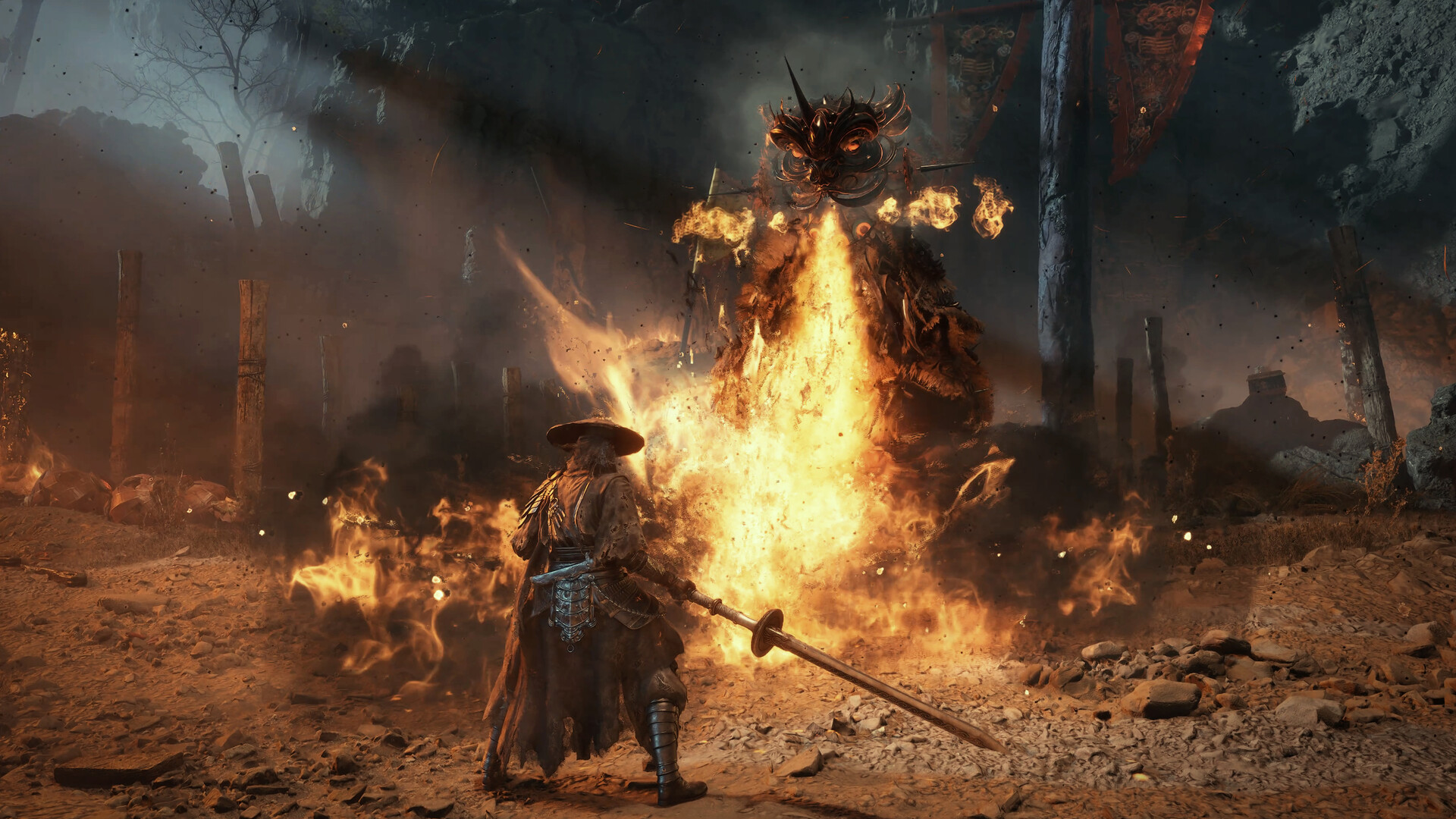
The protagonist and player character. An elite assassin serving The Order under the codename "Black Wound (黑伤)". Soul is a master of multiple martial arts and weapon styles. Betrayed and poisoned, he has only 66 days to uncover the truth. Portrayed by model and stage actor Yucheng. Described as a xiake (侠客): cold on the outside, warm inside, always helping the weak despite his limited days.
Another elite assassin of The Order, known by the codename "Purple Nether (紫冥)". Left Wretch shares a complex history with Soul. In the Rainblood series, he was Soul's ally and eventual rival, with a more calculating and philosophical disposition. His role in Phantom Blade Zero's new storyline may diverge from earlier canon.
The young daughter of The Order's leadership, Mu Xiaokui (沐小葵) is a character with a mysterious past. She appears in promotional materials as a child of significance within the organization's hierarchy. Portrayed by actress Zhang Jinzhi.
The leader of The Order, known as the Dark Lord (冥主). Mu Tianmiao governs the Dark Envoys (冥使) and oversees the organization's far-reaching operations. His murder: for which Soul is framed: sets the entire story in motion.
The creator of the Rainblood series and founder of S-GAME. Known by the pseudonym Soulframe Liang (梁其伟). He oversees every aspect of Phantom Blade Zero's development, from combat design to narrative direction. His vision of "Kungfupunk" defines the game's unique identity.
The composer behind Phantom Blade Zero's evocative soundtrack. His approach blends traditional Chinese instruments (erhu, guzheng) with retro electronic sounds and modern orchestration. The soundtrack uses the erhu to convey freedom and killing intent rather than traditional sorrow: creating a unique jianghu atmosphere.
well-known Hong Kong action choreographer who served as the game's action director. Known for his work in kungfu cinema, Tanigaki helped craft Phantom Blade Zero's fluid, cinematic combat. His philosophy emphasizes the fluid boundary between offense and defense in Chinese swordsmanship.
The Chinese wiki documents a vast cast including: 冥使 (Dark Envoys: 虚空, 小厮, 暗禅), 人使 (Human Envoys: 万巧茹, 留情剑客·剑玄, 闪电·长鸿), 玄家 (玄墨, 玄礼, 玄机, 玄鱼, 玄朔), 月堡 (月上君, 银月, 碧月), 龙家九子, and many more to be revealed.
Core elements that define the world of Phantom Blade Zero, sourced from official developer interviews and Chinese wiki data.
Combat energy and killing intent that fuels heavy attacks, blocks, and special abilities. Both Soul and his enemies have a Sha-Chi gauge: managing it is the key to survival. Depletion leads to a vulnerable "broken state."
The Phantom World blends ancient qi cultivation with mechanical augmentation. Some martial artists, driven by greed, undergo body modification and become monstrous "鬼差" (Demon Servants).
Ancient texts containing lost martial arts knowledge, mystical secrets, and the history of the Phantom World. Finding them may unlock hidden techniques and story revelations.
A signature combat maneuver: when Soul parries a "brutal move" or dodges a "killer move" at the last moment, he teleports behind the enemy for a devastating counterattack. This reflects the Chinese martial arts philosophy of simultaneous attack and defense.
Beyond the physical world lies the "Inner Martial World": a hidden realm where the deepest conspiracies and most dangerous martial secrets reside. This parallel dimension plays a key role in the overarching lore.
Caisheng Bo's score uses traditional Chinese instruments in unconventional ways. In Pang Town, a septuple meter (7/4) alternates between 4+3 and 3+4 to evoke unease. The erhu articulates killing intent rather than sorrow.
S-GAME's genre-defining visual identity: where ancient meets modern.
Classic Chinese martial arts aesthetics: flowing robes, ancient architecture, swordplay rooted in tradition. The soul of wuxia storytelling remains at the core. The Phantom World is based on Ming dynasty China with elements of wuxia tradition.
Modern and punk visual elements cut through the classical backdrop. Edgy silhouettes, dark leather, mechanical details, and a rebellious attitude define the "punk" half of the equation. Soulframe Liang calls it a "反抗精神" (spirit of rebellion).
A brooding, melancholic atmosphere permeates every scene. Rain-swept streets, dramatic shadows, and a muted color palette punctuated by lively magical effects. The story has horror vibes reminiscent of Resident Evil or Alan Wake.
The "Kungfupunk" identity is more than a tagline: it's visible in every frame of the game. Character designs mix traditional hanfu-inspired silhouettes with modern tactical gear. Architecture blends ancient pagoda forms with industrial, almost cyberpunk-adjacent structures. The rain that soaks the world isn't just weather; it's a mood, a character, a constant reminder of the melancholy that defines Soul's journey. Director Liang describes it as having a "混搭感" (mashup feel): traditional Chinese aesthetics deconstructed and recombined with modern pop elements.
Inspiration was drawn from classic Hong Kong martial arts films, with close collaboration between martial arts instructors and the action team. Real replicas of weapons were forged by master swordsmiths to understand how weight and length impact movement. Young artists from the Central Academy of Fine Arts drew guiding maps using Chinese brushes on Xuan paper.
Phantom Blade Zero is a spiritual successor to the acclaimed Rainblood (雨血) series: the series' "spiritual rebirth".
Before Phantom Blade Zero, S-GAME founder Liang Qiwei (梁其伟) created the Rainblood (雨血) series: a critically acclaimed indie wuxia franchise known for its dark, noir-inspired narrative. The series began with Rainblood: Town of Death (雨血1:死镇, 2008), followed by Rainblood 2: City of Flame (雨血2:烨城, 2011) and Rainblood Chronicles: Mirage (雨血前传:蜃楼, 2013). The franchise later expanded into mobile titles under the Phantom Blade name.
Phantom Blade Zero is designed as a standalone entry: no prior knowledge of Rainblood is required. As Liang puts it, the relationship between Phantom Blade Zero and Rainblood is like Dark Souls to Elden Ring: connected by spirit, but fully independent. The 66-day countdown and the protagonist's poisoned heart are direct inheritances from Rainblood 1: Town of Death.
While Phantom Blade Zero shares DNA with Rainblood, it pushes forward with modern technology (Unreal Engine 5) and a broader scope. The semi-open world, deep combat system, and "Kungfupunk" visual identity are evolutions of the foundation Rainblood laid.
According to Liang, Phantom Blade Zero follows a new story that departs significantly from what was established in earlier titles, including character relations, character motivations, and other elements. It provides the full content by itself, with no need to have played prior games.
Shared DNA Dark narrative · Betrayal themes · Martial arts depth · Atmospheric world · 66-day countdown
New Ground UE5 visuals · Semi-open world · 30+ weapons · 20+ Phantom Edges · 8 endings · Kungfupunk aesthetic · Global release
The journey from indie wuxia cult classic to globally anticipated AAA release.
Liang Qiwei creates the Rainblood trilogy: Rainblood: Town of Death, Rainblood 2: City of Flame, and Rainblood Chronicles: Mirage. The indie series gains a passionate following for its noir-inspired wuxia storytelling.
The franchise continues under the "Phantom Blade" name across mobile titles (Phantom Blade 1, 2, 3, Executioners). Meanwhile, S-GAME begins conceptualizing a return to single-player roots in 2017.
S-GAME starts full-scale development of Phantom Blade Zero using Unreal Engine 5. The project was initially planned as smaller in scope, with concepts dating back to 2017.
S-GAME unveils Phantom Blade Zero with a beautiful gameplay teaser at the PlayStation offers. The "Kungfupunk" aesthetic instantly captures global attention. The game is announced for PS5 and PC.
Playable demos at Summer Game Fest, ChinaJoy, Gamescom, Tokyo Game Show, and Bilibili World receive critical acclaim. Core team members (Liang, Michael Chang, Bo Caisheng) hold fan meet-and-greets at PlayStation booths.
At The Game Awards 2025, S-GAME announces a September 9, 2026 release date. Steam listing goes live: surpasses 1 million wishlists in just 15 days. Symbolism of 9/9 represents "reversal of fate."
S-GAME announces a delay to October 29, 2026, citing additional polish and optimization. The community response is overwhelmingly supportive.
Phantom Blade Zero releases worldwide on PlayStation 5, Steam, and Epic Games Store. Soul's 66-day journey begins.
Dive into our combat system guide and prepare for Soul's journey.